You get into the car on a cold morning, turn on the heat, and watch a cloudy film spread across the windshield. Wiping the glass gives you a clear patch for a moment, but the haze returns. Why does the cabin seem determined to undo your efforts?
Interior windshield fog usually forms when moist cabin air meets cold glass. The moisture condenses into tiny droplets that scatter light and reduce visibility. A little fog can be normal in winter, but repeated or severe fogging can point to excess moisture, poor airflow, or a heating and ventilation problem.
Winter Windshield Fog Starts With Moisture and Cold Glass
Your breath adds moisture to the cabin. So do damp coats, wet shoes, umbrellas, and floor mats that never fully dry. When the windshield is colder than the moist air around it, condensation can form on the inside surface.
Several passengers can make the problem develop quickly, especially after everyone climbs into a cold car. The heater warms the air, but warming a wet cabin does not remove the moisture by itself. You need airflow across the glass and a way to bring the cabin's humidity down. That is why defroster settings differ from normal cabin heating.
Use the Windshield Defroster Before You Start Driving
Select the windshield defrost mode and adjust the temperature and fan as the owner's manual recommends. Many vehicles automatically direct warm air toward the glass, bring in outside air, and turn on the air conditioner when defrost mode is selected.
Give the system enough time to clear the windshield and side windows before moving. A small clear circle directly ahead is not enough for safe visibility at intersections. If fog returns while you are driving, find a safe place to stop and restore a clear view. Avoid reaching across the windshield with a cloth while trying to steer through traffic.
Air Conditioning Can Help Remove Windshield Fog
Air conditioning is useful beyond summer cooling. When operating conditions permit, it removes moisture from the air before that air reaches the cabin. Combined with heat and directed airflow, this helps dry the windshield instead of simply warming the space around it.
The compressor may not operate in every cold-weather condition, and some vehicles control it automatically. Follow the vehicle's instructions rather than assuming a lit A/C button proves the system is running. If defrost performance has deteriorated compared with previous winters, an airflow or climate-control problem deserves a closer check.
Recirculated Air Can Keep Winter Moisture Inside
Recirculation keeps using cabin air instead of drawing in fresh outside air. It can be useful for cooling the car quickly or briefly avoiding unpleasant outside air. During a damp winter drive, however, prolonged recirculation can trap moisture from occupants and wet belongings.
Switch to the recommended fresh-air or defrost setting when the windshield starts fogging. Some vehicles disable recirculation during maximum defrost for this reason. Briefly opening a window can help reduce humidity when conditions allow, but it shouldn't be your only solution if your windshield repeatedly clouds over despite proper climate settings.
Wet Floor Mats Can Keep Feeding Windshield Fog
A car that smells damp may be carrying more water than you realize. Thick floor mats can hold moisture after rainy Cary commutes, and water underneath them can remain hidden in the carpet. A wet coat left on the back seat adds another source.
Remove wet belongings and let mats dry outside the vehicle when practical. Check the carpet beneath them, including the passenger footwell and rear seating area. If the carpet keeps getting wet after rain, the vehicle may have a weatherseal, drain, or other water-entry problem. Drying the interior helps, but recurring water needs its source checked.
Dirty Windshield Glass Makes Winter Fog Harder to Clear
Interior glass collects fingerprints, dust, and residue from cabin materials. That film can make condensation and glare more noticeable, especially when approaching headlights shine through the windshield at night. Wiping it with a sleeve often spreads the residue around.
Clean the inside glass with a suitable automotive glass cleaner and a clean cloth, following any instructions for tinted surfaces. Keep the dashboard vents clear of papers and accessories. Clean glass does not fix a leaking heater core or weak blower, but it gives the defroster a better chance of restoring a clear view quickly.
Windshield Fog Can Point to a Heating System Problem
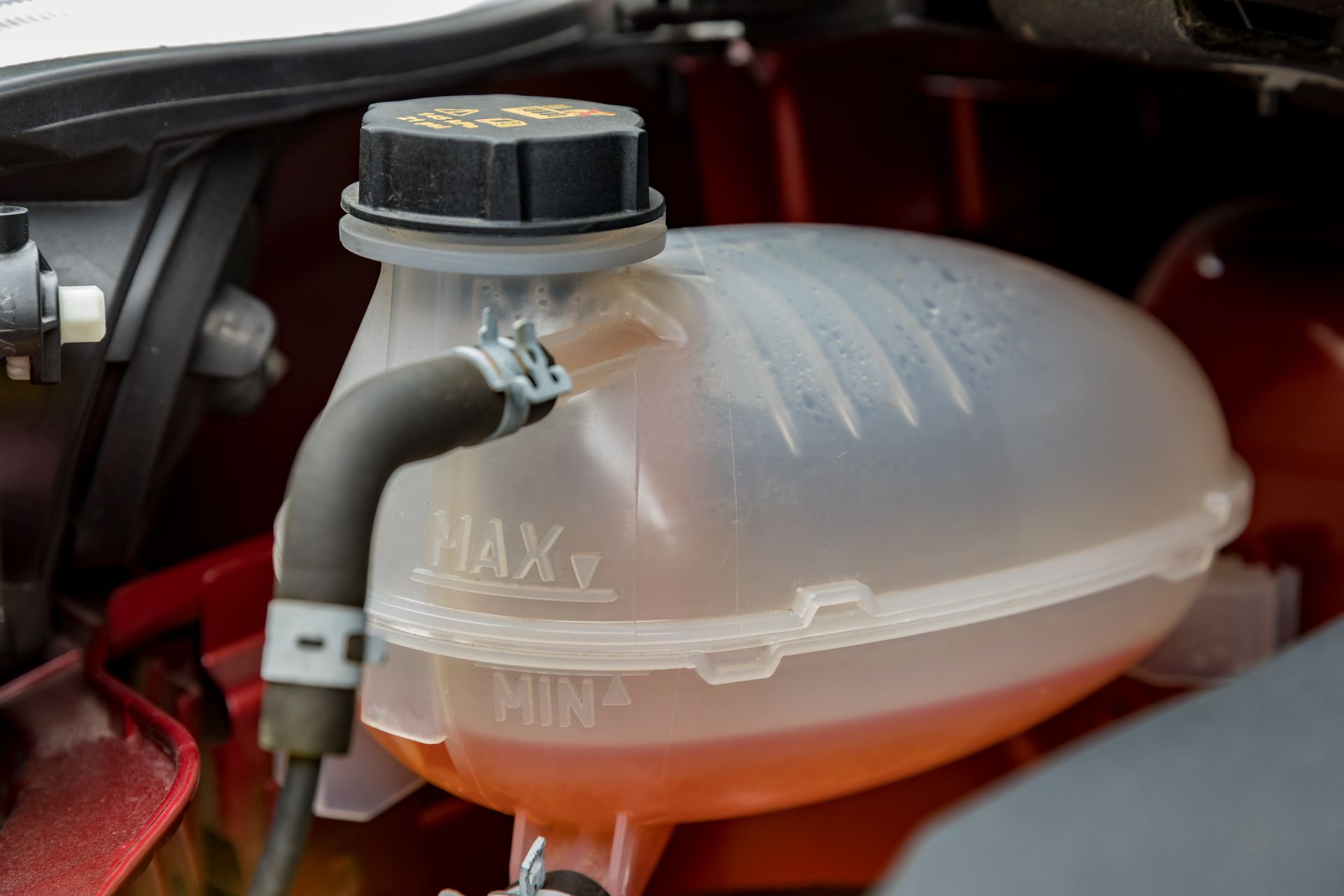
Persistent fog combined with a sweet smell, a greasy film, falling coolant level, or dampness near the front passenger footwell can suggest a heater core leak. None of those observations confirms the cause by itself, but they deserve attention instead of repeated glass cleaning.
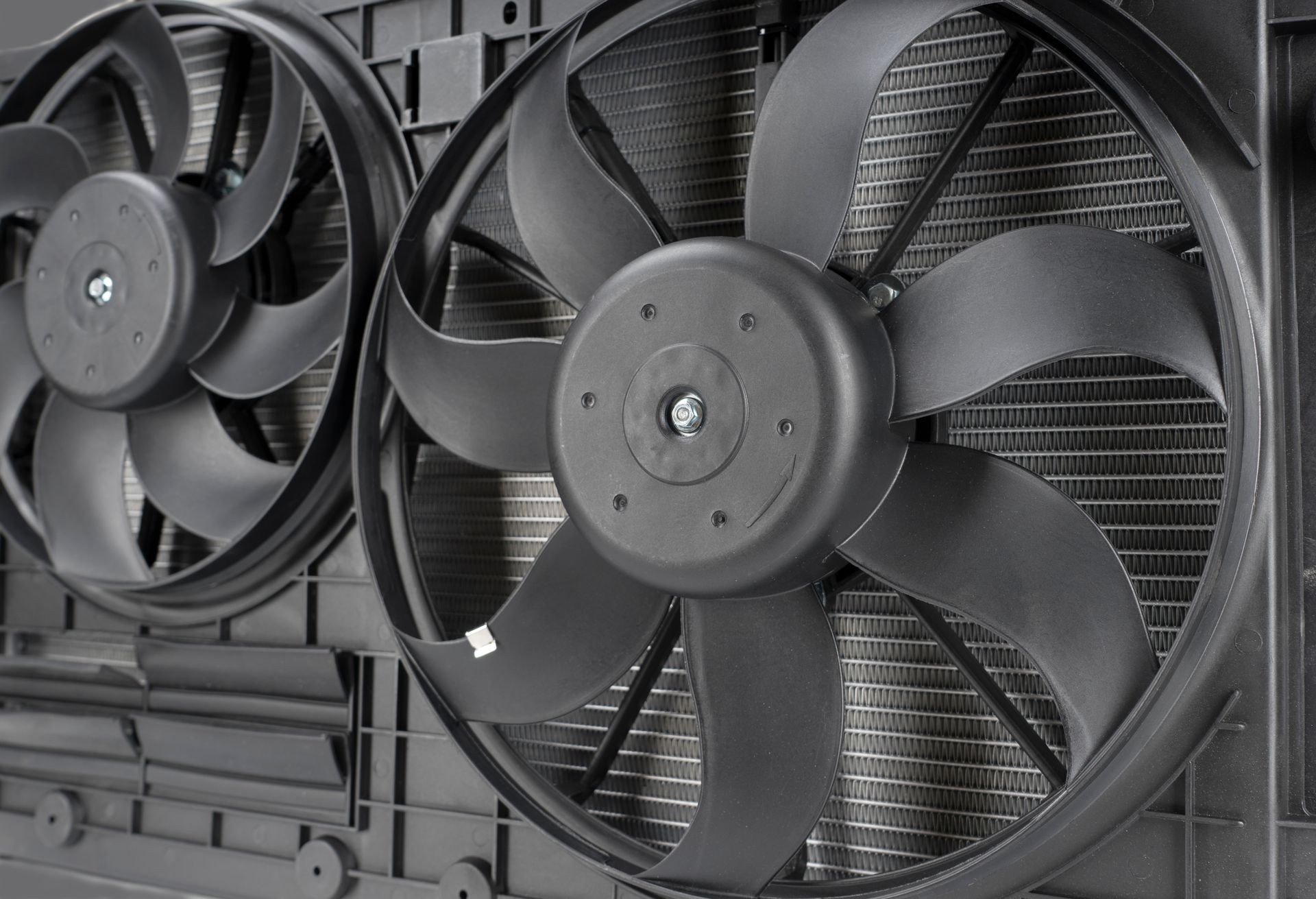
A clogged cabin air filter, blower problem, or air-distribution fault can also weaken the flow reaching the windshield. Notice whether other vents have strong airflow and whether changing settings redirects it properly. If an overheating warning appears along with a heating problem, stop safely and shut off the engine rather than continuing to test the heater.
Track These Winter Windshield Fogging Patterns
These five details can help explain why your windshield keeps misting over.
- Whether fog appears only with passengers or even when the empty car has been parked.
- Whether the carpeting or floor mats feel damp after rain.
- Whether fresh-air and defrost settings clear the glass normally.
- Whether airflow is weaker than it used to be.
- Whether a sweet smell, oily glass film, or coolant loss accompanies the fog.
Share the pattern when you arrange service. “It fogs up” is a useful starting point, but knowing when it happens helps us check the right systems. Avoid pouring hot water on cold windshield glass; a sudden temperature change can damage it, and exterior water will not remove interior humidity.
Get Help With Winter Defrosting in Cary, NC
NC Complete Auto Care in Cary, NC, can check the heating, ventilation, and moisture concerns behind recurring windshield fog. Tell us what settings you use and any changes you have noticed in airflow or cabin moisture.
Contact us to schedule an inspection of your car's defrosting concerns.