Yes, mismatched tire sizes can damage certain all-wheel-drive systems. AWD components are designed around all four tires covering nearly the same distance with each rotation. When one tire has a different rolling circumference, it turns at a different speed even while the vehicle travels in a straight line.
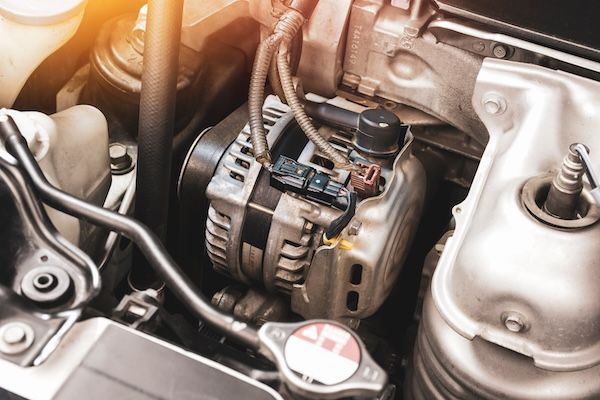
The system may interpret that speed difference as wheel slip and continuously transfer torque to compensate. Over time, the added heat and internal movement can wear a center differential, transfer case, clutch pack, or power transfer unit. The risk depends on the AWD design and how large the tire difference is.
Why Rolling Circumference Is So Important
The size printed on a tire’s sidewall provides its nominal width, aspect ratio, and wheel diameter. Two tires with the same printed size can still have slightly different actual dimensions because of tread design, construction, manufacturer tolerances, inflation pressure, and tread wear.
A new tire has greater tread depth than a heavily worn tire, which gives it a slightly larger overall diameter. The larger tire travels farther during one rotation. The smaller tire must rotate more times to cover the same distance.
That difference may seem minor, but AWD components can experience it during every mile of driving. A small, continuous speed variation places a different kind of load on the drivetrain than the temporary wheel-speed differences expected while turning.
How AWD Systems Respond to Different Tire Speeds
All-wheel-drive systems use several methods to send power to the front and rear axles. Some use a mechanical center differential. Others rely on electronically controlled clutch packs, viscous couplings, transfer cases, or power transfer units.
During normal cornering, the wheels follow paths of different lengths, so temporary speed differences are expected. The system allows or manages that movement. When mismatched tires create a permanent difference on a straight road, the components may continue slipping or adjusting when they should be operating with little correction.
Possible results include:
- Excessive heat in the transfer case
- Accelerated clutch-pack wear
- Binding during tight turns
- Damage to a center differential
- Premature bearing wear
- Overheated or degraded lubricant
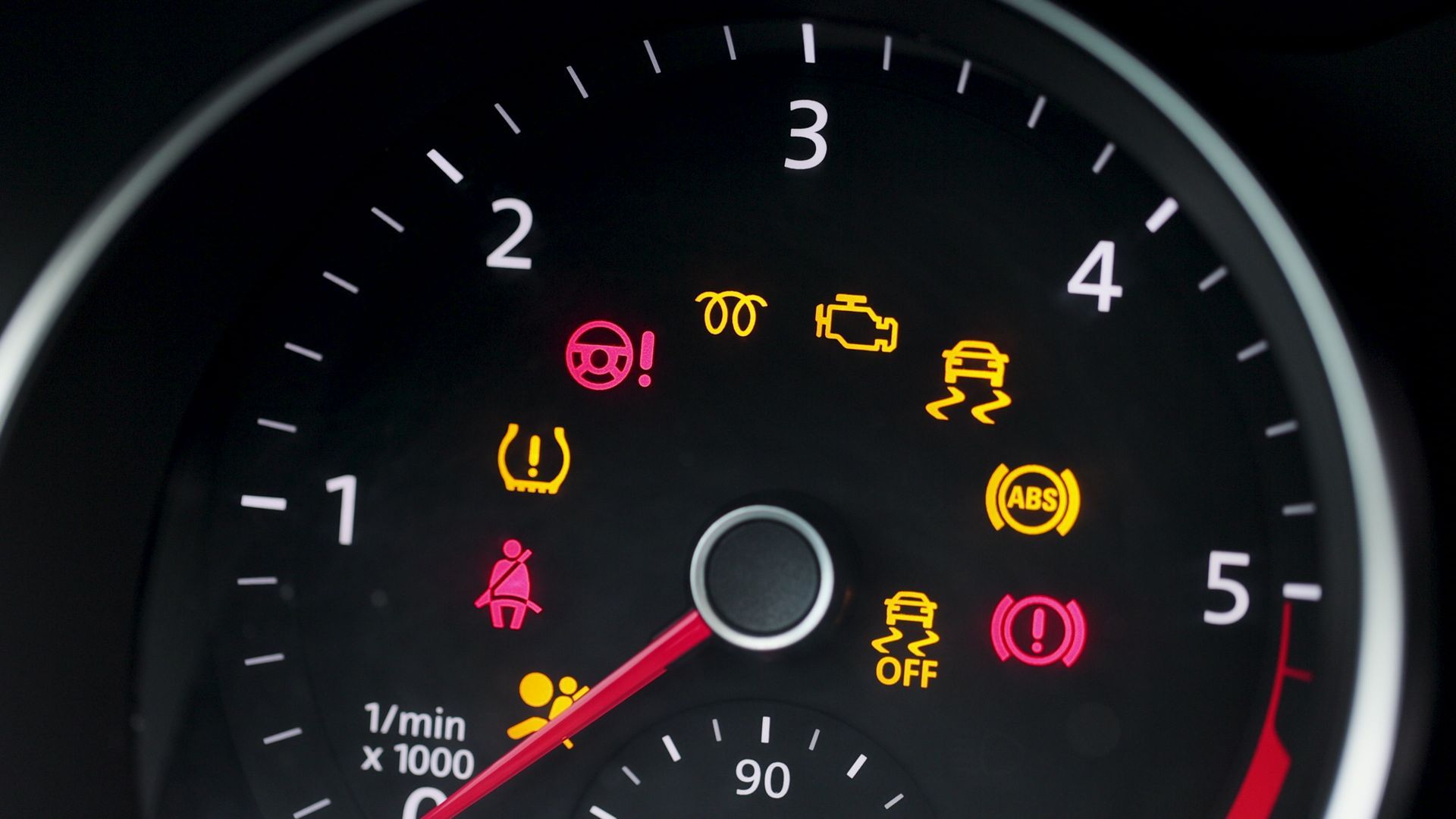
- AWD warning messages
- Vibration or driveline noise
Electronic traction and stability systems may also respond incorrectly when wheel-speed readings remain inconsistent.
Tread Depth Can Create a Mismatch
Installing one new tire beside three worn tires is a common way to create an unwanted circumference difference. Even though all four sidewalls show the same size, the new tire may stand noticeably taller because it has deeper tread.
Manufacturers often publish a maximum permitted tread-depth or circumference difference for AWD vehicles. The allowable amount varies, so there is no universal number that applies to every make and model. The factory requirement for the exact vehicle should guide the decision.
When one tire is damaged, the options may include replacing all four tires, replacing two tires when the manufacturer permits it, or having a new matching tire professionally shaved to a tread depth close to the remaining tires. Tire shaving is not appropriate in every situation, but it can preserve a usable set when performed correctly.
Brand and Model Differences Also Affect Fit
Tires from different brands can measure differently despite carrying the same sidewall size. Even two models from the same manufacturer may use different casing shapes, tread depths, and overall diameters.
Mixing summer, winter, all-season, run-flat, and conventional tires can create additional differences in traction, sidewall response, and handling. The vehicle may react unpredictably during braking or cornering even when the rolling circumference falls within an acceptable range.
For the most consistent performance, AWD vehicles should generally use four tires of the same:
- Brand
- Product line
- Size
- Construction type
- Load rating
- Speed rating
- Tread pattern
- Approximate tread depth
Any replacement should also meet the vehicle manufacturer’s specifications for load capacity and approved dimensions.
Pressure and Temporary Spares Need Attention
Low tire pressure reduces a tire’s effective rolling radius and increases heat buildup. One significantly underinflated tire can create wheel-speed differences that affect AWD operation while also risking sidewall damage.
Tire pressure should be checked when the tires are cold and adjusted to the vehicle placard, not the maximum number printed on the tire. A pressure warning deserves prompt attention, especially when one tire repeatedly loses air.
Temporary spare tires create another concern. A compact spare may have a different width and appearance but is designed to produce an approved overall diameter for limited use. Drivers must still follow the speed, distance, and axle-position instructions in the owner’s manual. Some AWD vehicles require towing rather than extended driving on a compact spare.
Signs the Drivetrain Is Under Stress
A tire mismatch does not always trigger an immediate warning. Damage may develop gradually as fluid overheats and internal components wear.
Watch for binding or hopping during low-speed turns, vibration during acceleration, whining, clunking, or a warning light related to AWD, traction control, or stability control. Fluid leakage or a burning odor near the transfer case also needs attention.
These symptoms can also come from worn CV joints, wheel bearings, driveshaft components, differentials, or suspension faults. Testing should identify the cause before drivetrain parts are replaced.
Protecting an AWD Vehicle’s Tires and Drivetrain
Regular maintenance should include tire rotations, cold-pressure checks, tread-depth measurements, and attention to alignment-related wear. Rotating the tires at the correct interval helps all four wear at a similar rate.
An inspection is especially important after a puncture, tire replacement, pothole impact, or extended period of driving with low pressure. Technicians can compare tread depth, circumference, tire specifications, and drivetrain operation before recommending the strongest solution.
Get AWD Tire Service In Cary, NC, With NC Complete Auto Care
NC Complete Auto Care can evaluate tire size, tread depth, pressure, wear patterns, and all-wheel-drive concerns. Our team can help determine whether one tire, a pair, or a complete set should be replaced based on your vehicle’s requirements.