Engine problems are not always loud at the beginning. A small oil leak, a faint coolant smell, a rough start, or a little hesitation can show up long before the engine feels like it is in real trouble. The hard part is that most drivers are busy, and the car still gets them where they need to go.
A professional vehicle inspection gives those early clues a closer look. Instead of waiting for the engine to overheat, misfire, or lose power, the goal is to identify what is starting to change while the repair is still manageable.
Why Early Engine Problems Are Easy To Miss
Engines are designed to keep running through small changes. The computer can adjust fuel mixture, compensate for certain sensor readings, and keep the vehicle feeling fairly normal for a while. That can make an early issue feel harmless.
The warning signs can be subtle. The engine may take slightly longer to start. Maybe fuel economy drops. Maybe there is a new smell after parking. These small changes can point toward oil leaks, cooling system problems, ignition wear, vacuum leaks, or sensor issues. Our technicians look for those early clues before they turn into a larger engine repair.
Leaks Tell A Story Before The Engine Fails
Oil and coolant leaks are two of the biggest things a vehicle inspection can catch early. A few drops under the car might not seem urgent, but leaks rarely fix themselves. Oil protects internal parts, while coolant controls engine temperature. If either level drops too far, engine damage can happen quickly.
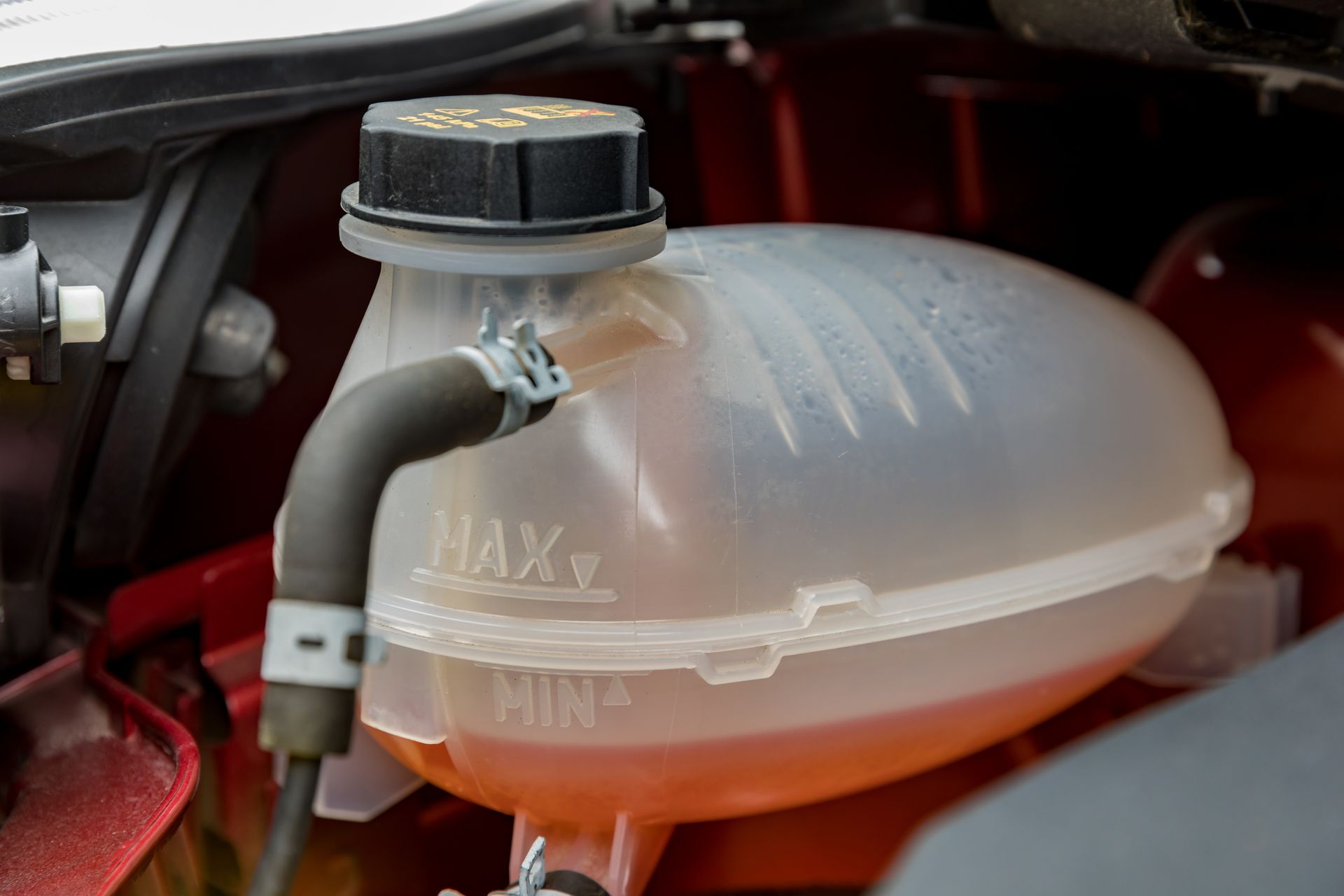
A small oil leak can come from valve cover gaskets, oil pan gaskets, filter housings, seals, or timing cover areas. Coolant leaks can come from hoses, radiators, water pumps, thermostats, fittings, or reservoirs. During an inspection, we look for wet areas, dried residue, smells, low fluid levels, and signs that the leak is spreading.
Fluid Condition Can Reveal Hidden Wear
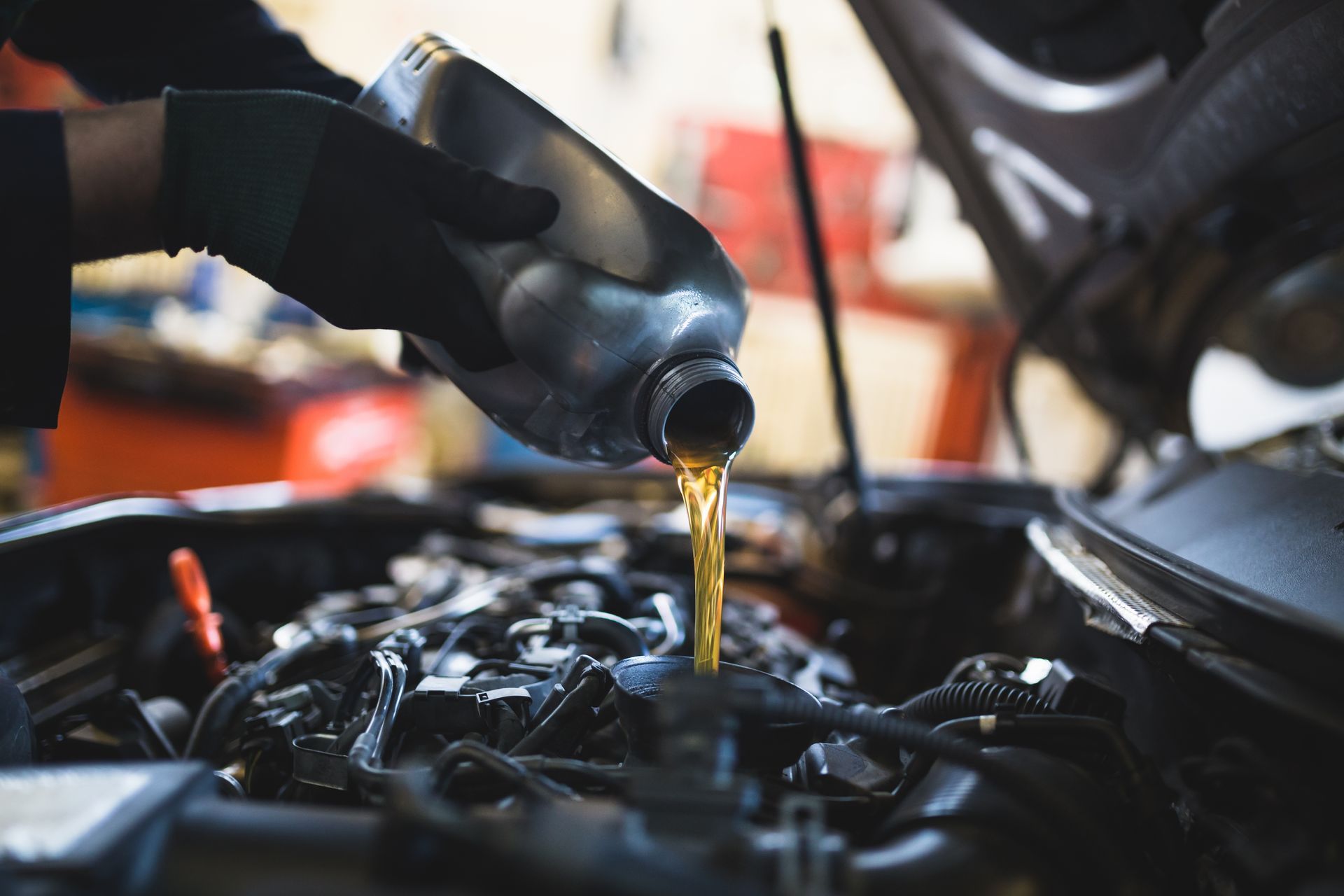
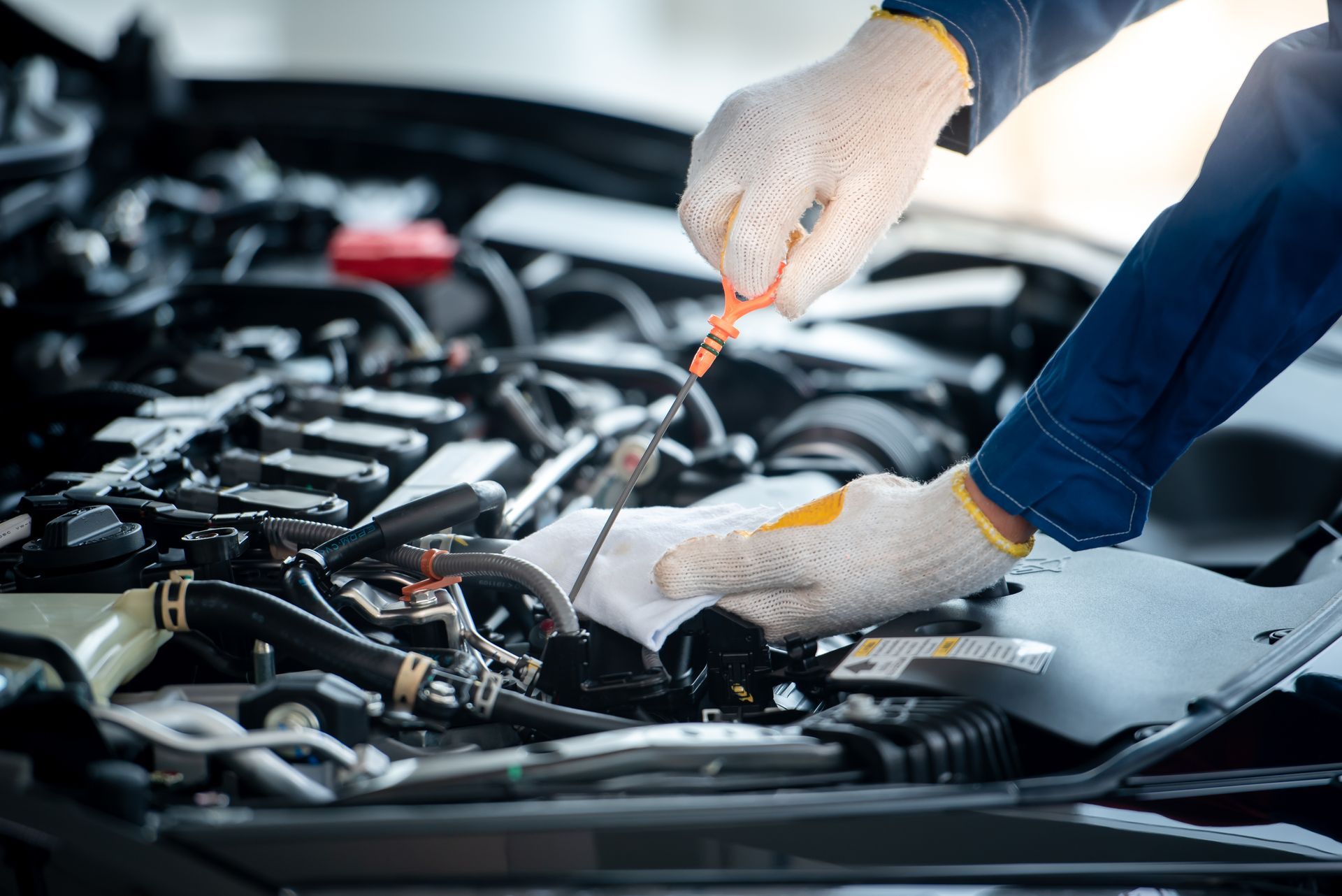
Engine oil, coolant, and other fluids can show signs of trouble before a driver notices major symptoms. Oil that is gritty, very low, milky, or burnt-smelling can point toward contamination, neglect, overheating, or internal wear. Coolant that is low, rusty, oily, or discolored can suggest leaks, corrosion, or gasket concerns.
Fluid checks are simple but valuable. They help show whether the engine has been running cleanly, staying cool, and getting proper lubrication. Regular maintenance keeps those checks from being skipped until a warning light is already on.
Small Noises Need The Right Context
A ticking, knocking, rattling, or squealing sound should not be ignored just because the vehicle still drives. Some noises are minor. Others point toward low oil, timing chain wear, belt problems, pulley issues, internal engine wear, or exhaust leaks.
The sound itself is only part of the answer. A technician needs to know when it happens. Startup noise, noise under acceleration, noise at idle, and noise that changes with engine speed can all point in different directions. A professional inspection helps separate a belt noise from a deeper engine concern before the wrong repair is made.
Diagnostics Can Catch What You Cannot Feel Yet
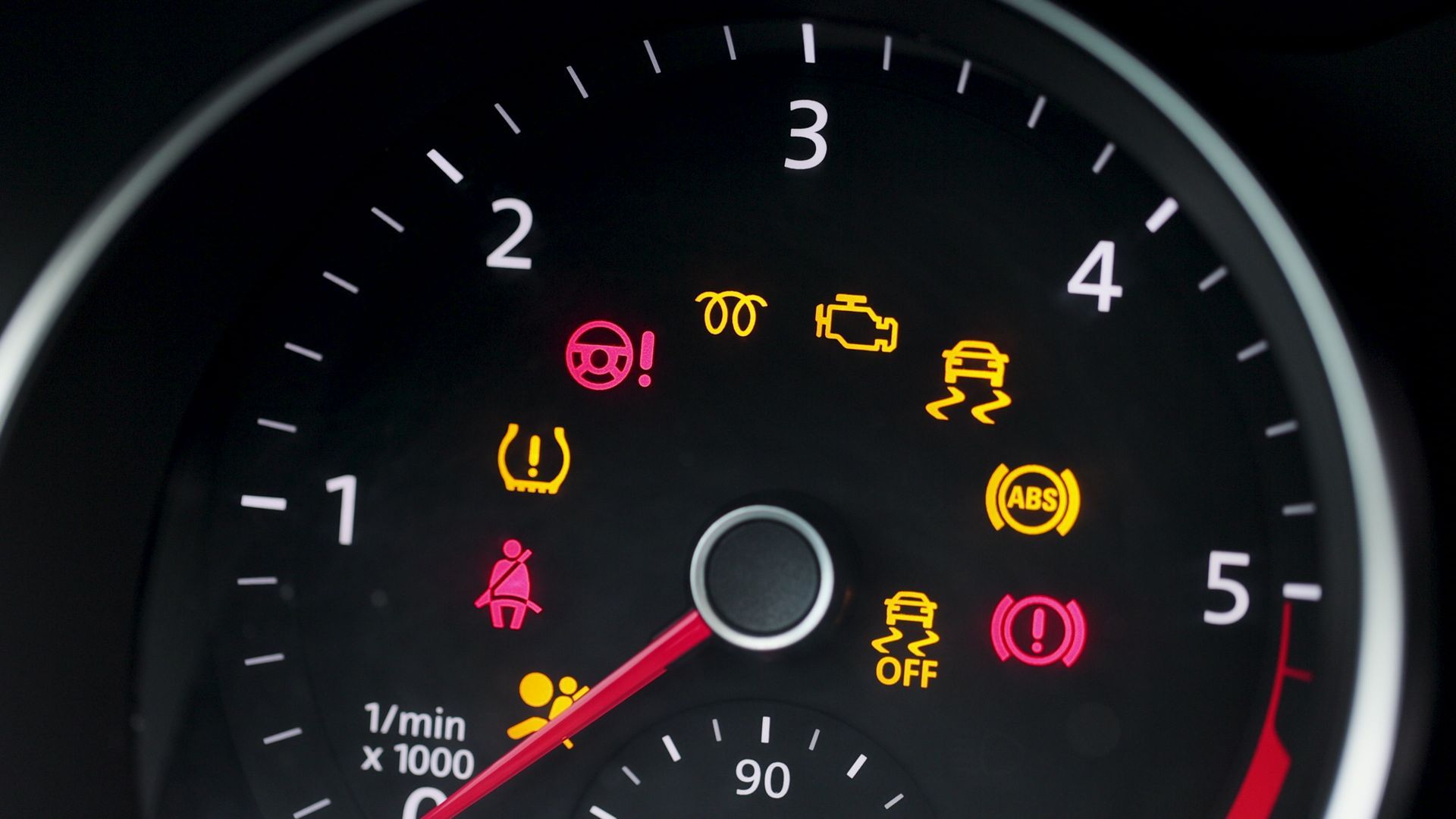
Modern vehicles store information when something starts moving out of range. A check engine light is one sign, but there can also be pending codes, history codes, misfire counts, fuel trim changes, sensor readings, and temperature data that help reveal early problems.
A scan tool does not replace hands-on testing, but it gives useful direction. For example, early misfire activity can appear before the engine runs poorly. Fuel trim changes can point toward air leaks or fuel delivery issues. Temperature data can help show whether the cooling system is working correctly. One of our technicians can connect that data with what is happening under the hood.
Engine Performance Changes Should Be Checked Early
A vehicle that feels weaker, rougher, or slower to respond is usually giving you a warning. It might be worn spark plugs, weak ignition coils, dirty sensors, fuel delivery trouble, carbon buildup, or a cooling problem starting to affect performance. The cause is not always expensive if it is found early.
Waiting can change that. A misfire can damage the catalytic converter. A cooling issue can lead to overheating. A small oil leak can lower the level enough to create internal wear. Early engine repair is usually about stopping the chain reaction before more parts get pulled into the problem.
Get Vehicle Inspection And Engine Repair In Cary, NC, With NC Complete Auto Care
If your vehicle has a warning light, a leak, a smell, a noise, a rough start, or a change in performance, NC Complete Auto Care in Cary, NC, can perform a professional inspection and help identify engine repair problems early.