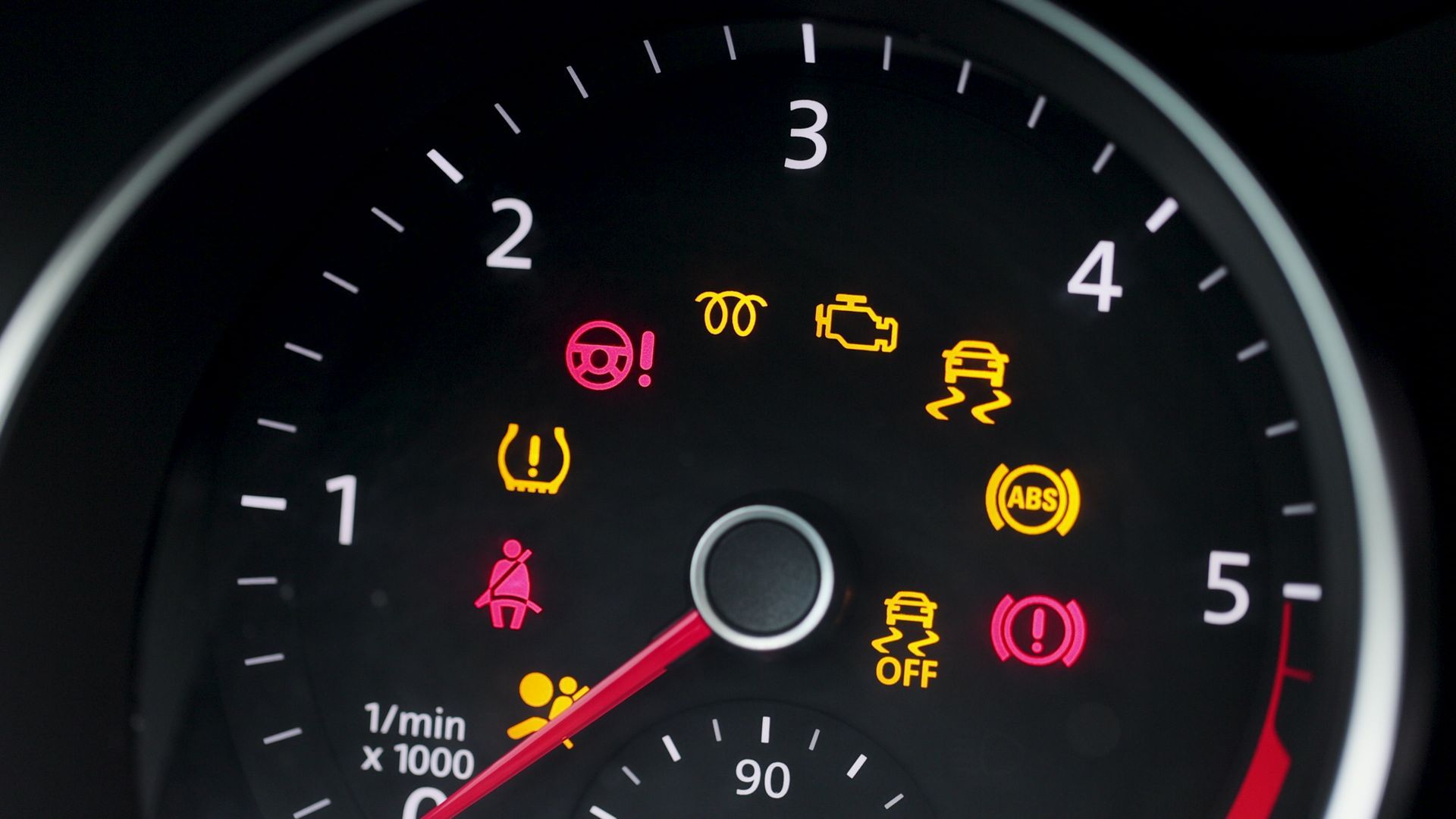
Most drivers don’t think much about their alternator—until something goes wrong. You hop in your car, turn the key, and suddenly the engine hesitates, the dashboard lights flicker, or the vehicle won’t start at all. At that point, many people assume the battery is to blame. While the battery often takes the spotlight, the alternator is just as important and often the real issue behind electrical problems.
Understanding what the alternator does, how it wears out, and when it needs replacement can help prevent breakdowns and unexpected repair bills.
What Does an Alternator Do?
Your alternator is responsible for keeping your vehicle powered while it’s running. Once the engine starts, the alternator takes over from the battery and supplies electricity to vital systems such as:
- Headlights and interior lights
- Power windows and locks
- Dashboard gauges and warning lights
- Radio, infotainment, and charging ports
- Climate control systems
At the same time, the alternator recharges the battery so it’s ready for the next start. Without a properly functioning alternator, your battery quickly drains, even if it’s brand new.
How Alternators Have Evolved Over Time
Early vehicles relied on generators instead of alternators. Generators produced limited electrical power and struggled to meet the demands of modern vehicles. As cars gained more electrical components, alternators became the standard because they’re more efficient and reliable at producing consistent power at various engine speeds.
Today’s alternators are designed to support advanced electronics, safety systems, and onboard computers. That also means that when an alternator begins to fail, symptoms can manifest in many different ways.
Alternators don’t usually fail without warning. Most give off clear signs that something isn’t right. Paying attention to these symptoms can help you address the issue before you’re stranded.
Warning Lights on the Dashboard
One of the most common indicators is the battery warning light. Despite its name, this light often points to a charging system problem rather than a bad battery. If the light comes on while driving, it’s a sign that the alternator may not be supplying enough power.
Dim or Flickering Lights
If your headlights seem dimmer than usual or flicker while driving, the alternator may be struggling to provide consistent voltage. Interior lights may also pulse or change brightness unexpectedly.
Electrical Features Acting Strange
Power windows moving slowly, infotainment systems shutting off, or charging ports not working properly can all point to alternator trouble. Modern vehicles rely heavily on stable electrical output, so small voltage changes can cause noticeable glitches.
Strange Noises Under the Hood
A failing alternator can produce unusual sounds, such as grinding or whining. These noises often come from worn bearings or internal components. Ignoring these sounds can lead to complete alternator failure.
Frequent Dead Batteries
If your battery keeps dying despite being relatively new, the alternator may not be recharging it properly. Replacing the battery repeatedly won’t fix the underlying problem if the alternator is at fault.
Burning Smell or Electrical Odors
A worn alternator belt or overheating electrical components can produce a burning rubber or electrical smell. This is a sign that immediate inspection is needed to prevent further damage.
How Long Does an Alternator Last?
On average, alternators last between 80,000 and 150,000 miles, though this can vary based on driving habits, climate, and vehicle design. Stop-and-go driving, extreme temperatures, and heavy electrical usage can shorten its lifespan.
Unlike oil changes or brake service, alternator replacement isn’t based on a set schedule. It’s usually replaced once it shows signs of failure or fails to charge properly.
When Should an Alternator Be Replaced?
You should consider alternator replacement if:
- Multiple electrical symptoms appear at the same time
- The battery warning light stays on
- Voltage tests show inconsistent or low output
- The alternator is making loud or persistent noises
Driving with a failing alternator can leave you stranded with a dead battery, often without warning. In some cases, the vehicle may shut down while driving if electrical power is lost.
Can You Drive with a Bad Alternator?
Technically, yes—but only for a short time. Once the alternator stops charging the battery, the car relies solely on stored battery power. As that power drains, essential systems begin to fail, including engine management and safety features.
Continuing to drive under these conditions increases the risk of breakdowns and can cause additional damage to electrical components.
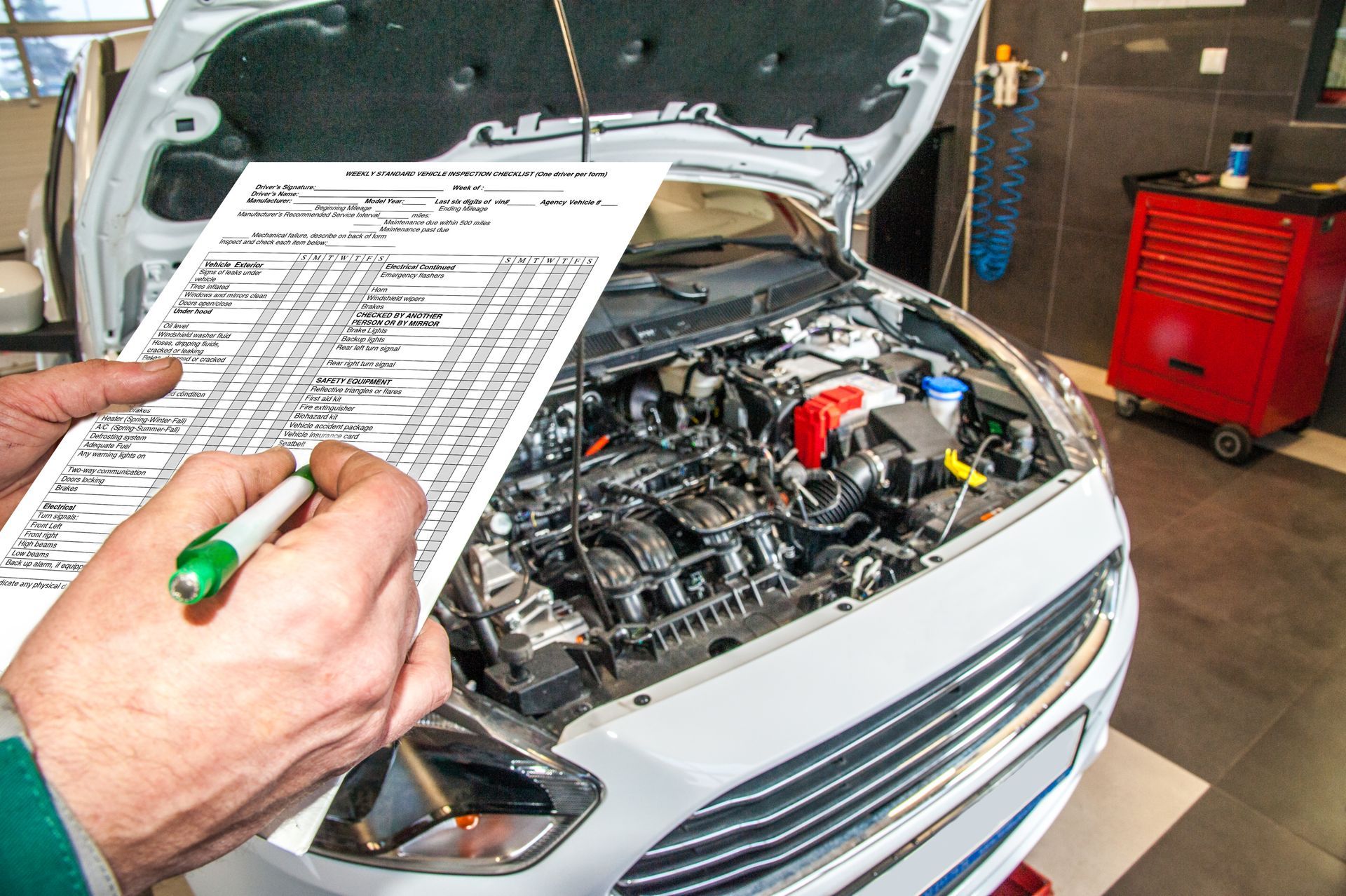
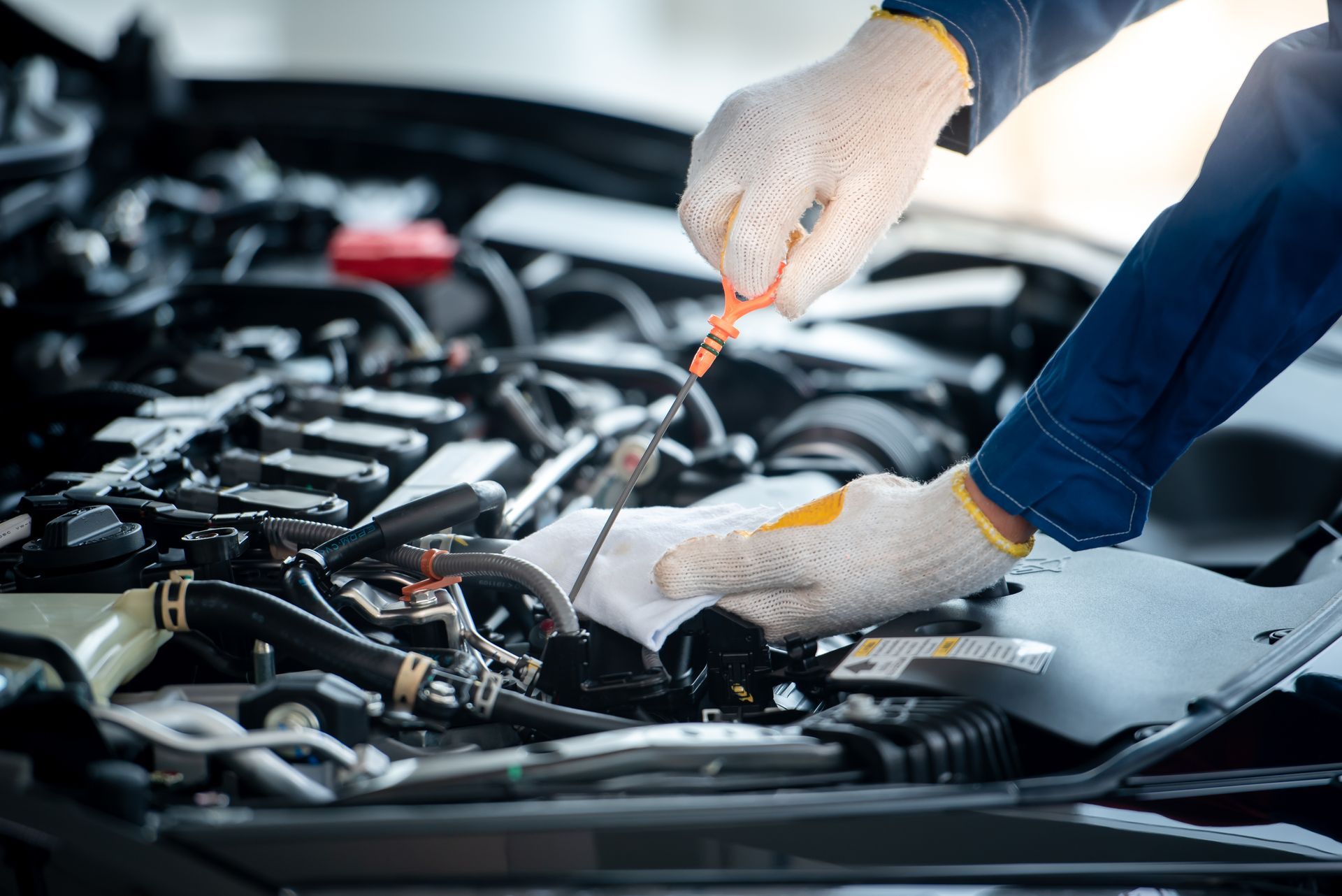
While alternators wear out over time, regular inspections can help catch issues early. Making sure belts are in good condition, connections are secure, and the battery is healthy can reduce strain on the alternator and extend its lifespan.
Get Your Alternator Checked Before It Leaves You Stranded
If your car is showing signs of electrical trouble near Cary, NC, don’t wait until it won’t start. A professional charging system inspection at NC Complete Auto Care can determine whether your alternator is working properly or nearing the end of its life. If you’re experiencing dim lights, warning lights, or repeated battery issues, contact our Cary auto repair shop today. Scheduling an alternator inspection or replacement now can save you time, money, and the frustration of an unexpected breakdown.