Dashboard lights are supposed to help, but a lot of drivers end up guessing what they mean based on color, icon shape, or what a friend once told them. Some warnings are urgent, and some are more of a heads-up, but the dangerous part is misreading the serious ones as “probably fine for now.”
If you know which lights get misunderstood most often, you can make better calls in the moment and avoid turning a small problem into a bigger repair.
1. Check Engine Light
This light gets dismissed constantly because the car may still drive normally. A steady check engine light can mean anything from a loose gas cap to an engine issue that needs attention, so the key is not the light itself, it’s what’s behind it. A flashing check engine light is the one that drivers misread the most, because it often points to an active misfire that can cause expensive damage if you keep driving it hard.
If the light is steady and the car feels normal, you can usually drive short distances while you schedule service. If it’s flashing or the engine is shaking, reduce driving and get it checked soon.
2. Oil Pressure Light
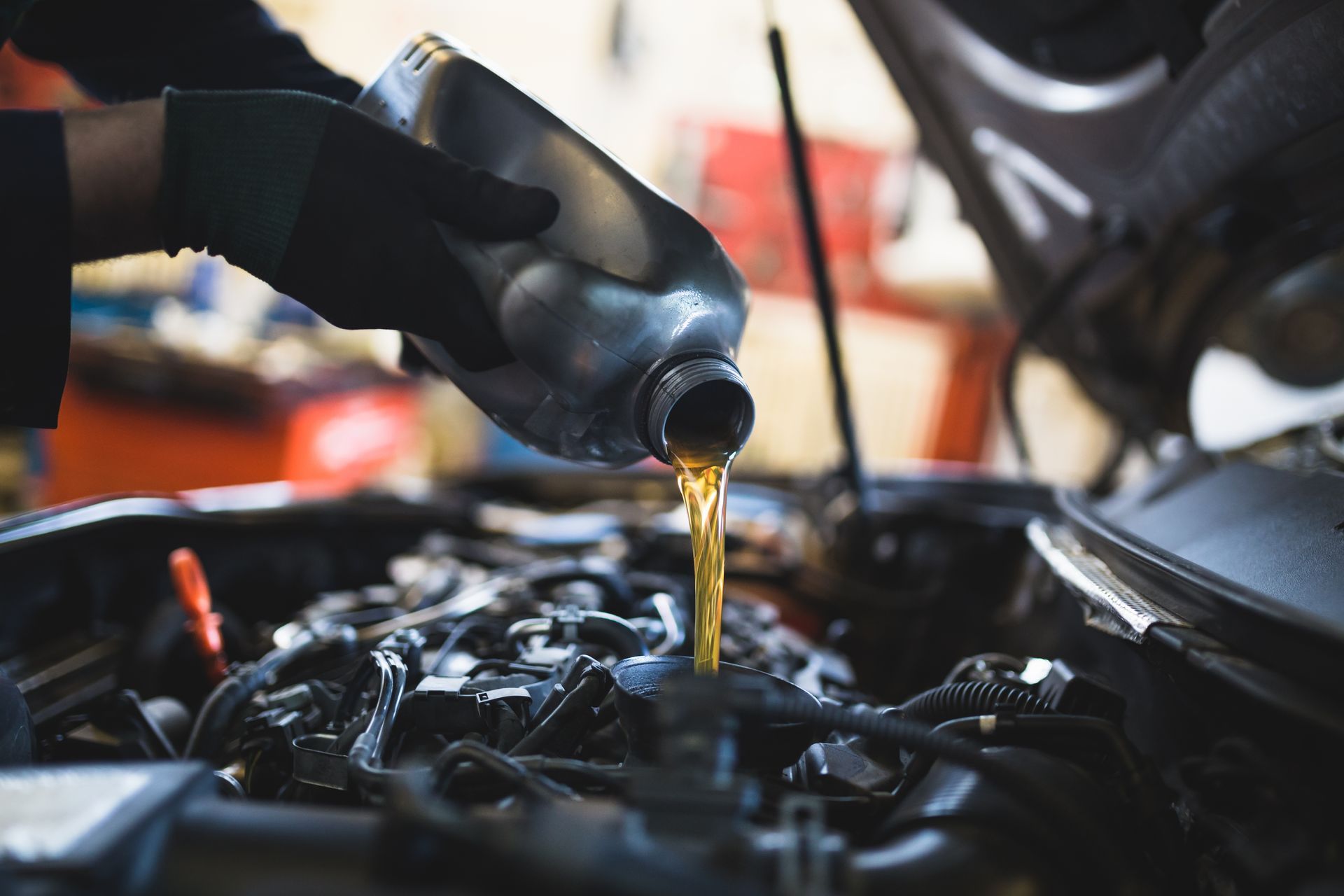
Many people think this is the same as an oil change reminder, but it’s not. The oil pressure light typically means the engine may not be getting the oil pressure it needs right now. That can come from a low oil level, a serious leak, a failing pump, or internal wear, and any of those can cause rapid damage.
If this light comes on while driving, the safest move is to shut the engine off as soon as you can do it safely and investigate. Continuing to drive and hoping it goes away is one of the fastest ways to ruin an engine.
3. Battery Or Charging System Light
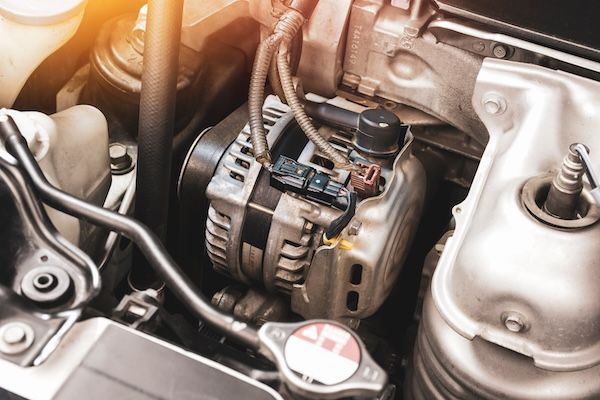
Drivers see the battery icon and assume the battery is the only possible culprit. In many cases, this light is a warning that the charging system isn’t keeping up, which could involve the alternator, belt drive, wiring, or battery connections. You might still be able to drive for a short time, but once the battery voltage drops low enough, the car can start acting strangely or simply shut down.
If this light comes on and stays on, turn off extra electrical loads and plan to get it checked quickly. It’s also worth paying attention to related clues like dimming lights, odd warning messages, or a slower crank at startup.
4. Coolant Temperature Warning Light
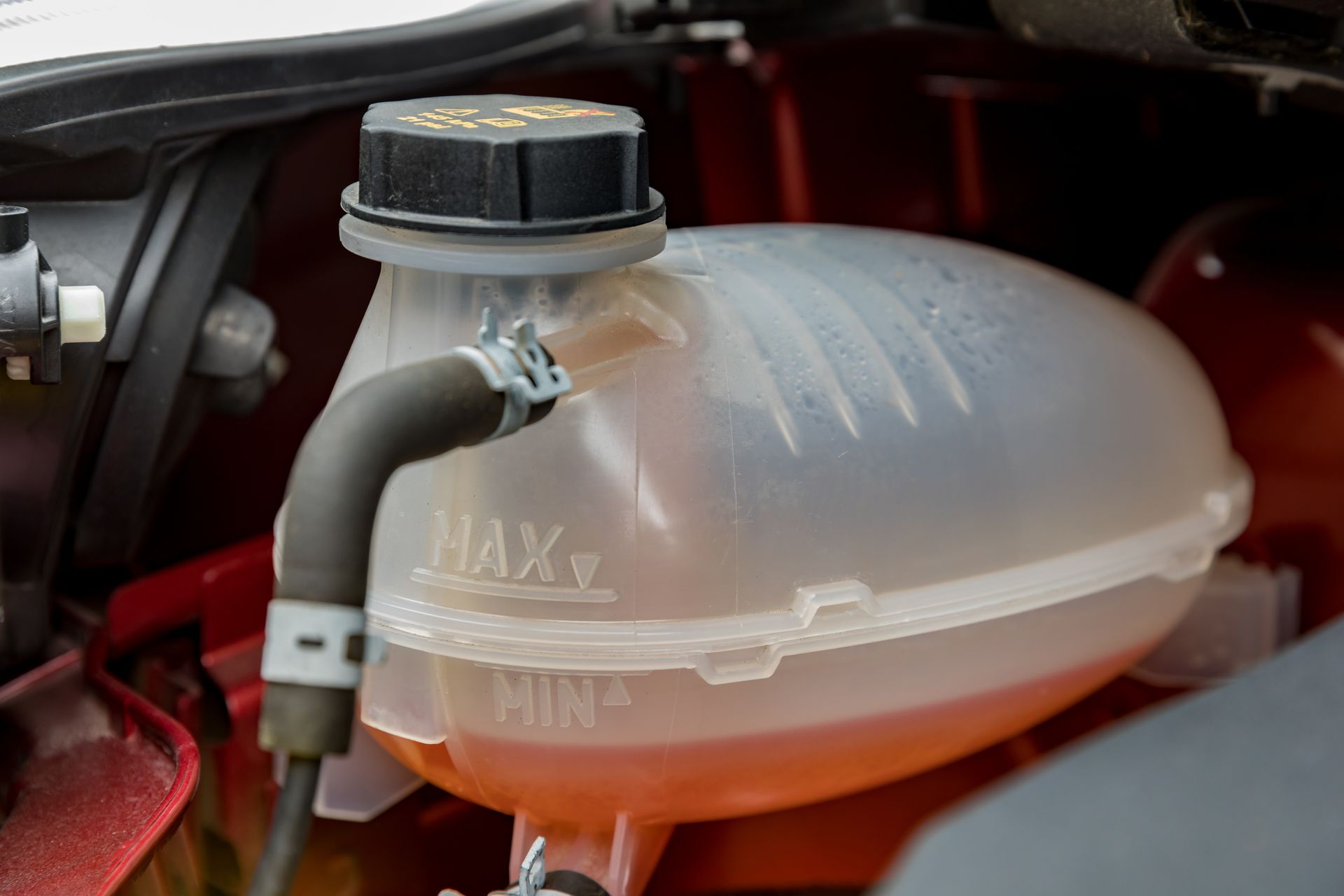
A lot of drivers keep going because the engine still feels normal, but overheating is not forgiving. If the temperature warning light comes on, or the gauge climbs higher than usual, the risk is that the engine is running too hot or losing coolant. Even a short overheating event can lead to costly problems.
If you see a temperature warning, reduce driving and pull over when it’s safe. Let the engine cool before you check anything, and don’t remove a hot coolant cap. The smartest approach is to treat overheating as urgent, even if it only happened once.
5. ABS Light
The ABS light gets misread as a total brake failure warning. In most vehicles, an ABS light means the anti-lock function may not work, but you still have normal braking. The risk is that in a panic stop, especially on wet pavement, the wheels can lock more easily without ABS helping you maintain control.
You don’t want to ignore it for weeks, but you also don’t need to assume the brakes are completely gone. If the ABS light is paired with a brake warning light or a very low pedal, that’s a different conversation and should be checked immediately.
6. Traction Control Light
This light confuses people because it can mean two different things depending on how it behaves. If it flashes briefly, it often means the system is actively reducing wheel spin, which can happen on wet roads, gravel, or when you accelerate hard. If it stays on steadily, it may mean the system is turned off, or there’s a fault, and the feature isn’t available.
A steady traction control light can also show up alongside ABS issues, because the systems share sensors. If the light is flashing constantly on dry pavement during normal driving, it’s worth getting checked because it can point to tire mismatch, wheel speed sensor trouble, or other stability-control inputs acting up.
7. Tire Pressure Light
A tire pressure warning gets brushed off because the tires may look fine at a glance. The problem is that a tire can be dangerously low and still look normal, especially on modern sidewalls. Temperature drops can also reduce tire pressure overnight, so you might see the light in the morning and then forget about it when the day warms up.
If the light comes on, check pressures with a gauge and adjust to the door sticker specs. If one tire keeps dropping, that usually means a leak, even if it’s slow.
Get Maintenance And Repairs in Cary, NC with NC Complete Auto Care
If a warning light has you unsure what’s safe and what needs attention right away, we can inspect the vehicle, pinpoint the cause, and help you plan the next step without guesswork. We handle maintenance, troubleshooting, and repairs, and we’ll explain what we find in plain language so you’re not left guessing.
Give
NC Complete Auto Care a call in Cary, NC, and we’ll help you get ahead of the issue before it turns into an inconvenient breakdown.