For generations of drivers, checking your oil was a Saturday morning ritual. You’d pop the hood, find that brightly colored plastic loop, pull out a long metal rod, and wipe it clean with an old rag. It was a tactile, simple way to connect with your machine. But if you’ve bought a European luxury car or a high-end SUV in the last few years, you might have noticed something startling: the dipstick is gone.
In its place is a blank plastic plug or simply more engine shielding. At our shop, we see the frustration on people’s faces when they just want to check their levels before a road trip and find themselves scrolling through digital menus instead. So, where did the dipstick go, and why are manufacturers trying to keep us out from under the hood?
The Shift from Analog to Digital
The traditional dipstick is a masterpiece of low-tech engineering. It’s a physical probe that gives you an undeniable truth about what is happening inside your oil pan. However, as engines have become more compact and packed with complex emissions equipment, finding a straight path for a three-foot-long piece of metal has become a design nightmare for engineers.
To solve this, many manufacturers moved to electronic oil level sensors. These sensors live inside the oil pan and use ultrasonic waves or thermal properties to calculate exactly how much fluid is present. Instead of getting your hands greasy, you now navigate to a Vehicle Status screen on your dashboard and wait for a digital bar graph to tell you if you’re full.
Why the Dipstick Is Fading Away
It isn't just about saving space. There are several practical, and some slightly controversial, reasons why car companies are ditching the stick.
- Human Error: Believe it or not, many people don’t know how to read a dipstick correctly. They might check it while the engine is running or fail to wipe it off first, leading to overfilling. Digital sensors take the guesswork out of it.
- Sealing the System: Modern engines are extremely sensitive to vacuum leaks. A dipstick tube that isn't seated perfectly can actually cause a check engine light in some high-performance vehicles. A sealed system is a more controlled system.
- Condition vs. Level: Manufacturers are increasingly moving toward a "black box" philosophy where they want the car to tell you when it needs service, rather than you deciding based on the color of the oil.
- Packaging and Aerodynamics: With engines pushed further back for better weight distribution, reaching a dipstick often requires leaning over delicate components.
The Problem With Going Fully Digital
From our perspective in the service bay, the disappearance of the dipstick isn't all sunshine and rainbows. While a sensor is convenient, it lacks the "human touch" that can catch problems early.
When you pull a physical dipstick, you aren't just checking the level. You are looking at the color and smelling the fluid. If the oil smells like gasoline, we know there is a fuel system issue. If it looks like a milky coffee, we know there is a coolant leak. A digital sensor only knows if the volume is correct. It can’t tell you if your oil is being contaminated.
Furthermore, sensors can fail. We’ve seen cases where a faulty sensor told a driver their oil was full when it was actually dangerously low, or vice versa. Without a manual backup, you are completely reliant on a piece of electronics to protect your multi-thousand-dollar engine.
Adapting to the New Reality
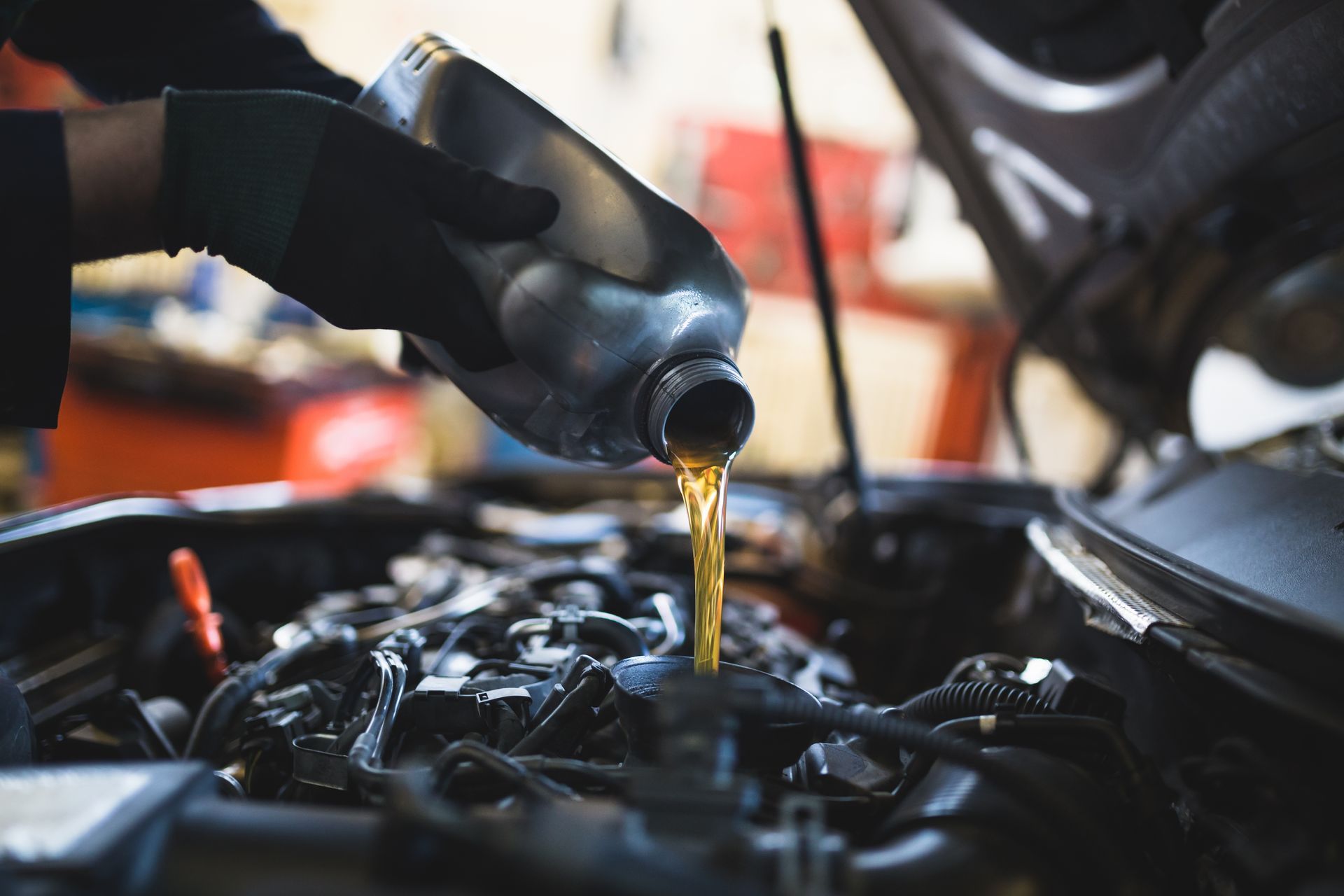
If your car is one of the many that has "gone digital," you have to change your habits. You can no longer just glance at the stick. You need to become familiar with your car’s infotainment system. It’s also more important than ever to stick to your mileage intervals for oil changes. Since you can't easily see the oil getting darker or grittier over time, you have to trust the math. If your car says it’s time for an oil change, don't wait for a warning light to confirm it.
Count on the Team at NC Complete Auto Care
Whether your car has a classic dipstick or a fancy digital interface, the health of your oil is the single most important factor in how long your engine will last. If you’re uncomfortable navigating those digital menus, bring your car to NC Complete Auto Care in Cary, NC.
Stop by the shop today and let us take the guesswork out of your maintenance routine!