A radiator fan can fail without the engine overheating immediately. If you are moving at highway speed, air is already flowing through the radiator, so the temperature gauge may stay normal for a while. The problem usually becomes much easier to notice once you slow down, sit in traffic, or idle the engine.
That is when the cooling fan becomes essential. Without enough airflow through the radiator, engine temperature can rise quickly, especially with the A/C running or during warm weather. If the fan has stopped working, the safest response depends on what the temperature gauge and warning lights are doing.
The Engine May Stay Cool While You Are Moving
At road speed, air is forced through the grille and radiator as the vehicle moves forward. That airflow removes heat from the coolant even if the electric fan is not operating.
This can hide a failed fan during highway driving. You may have no warning until you exit the highway and stop at a traffic light. Once natural airflow drops, coolant temperature begins climbing because the radiator is no longer getting the airflow it needs.
Overheating Usually Shows Up First in Traffic
A failed radiator fan commonly creates a pattern where the engine runs at a normal temperature while moving but gets hot during slow traffic or extended idling. The temperature may drop again once the vehicle begins moving faster.
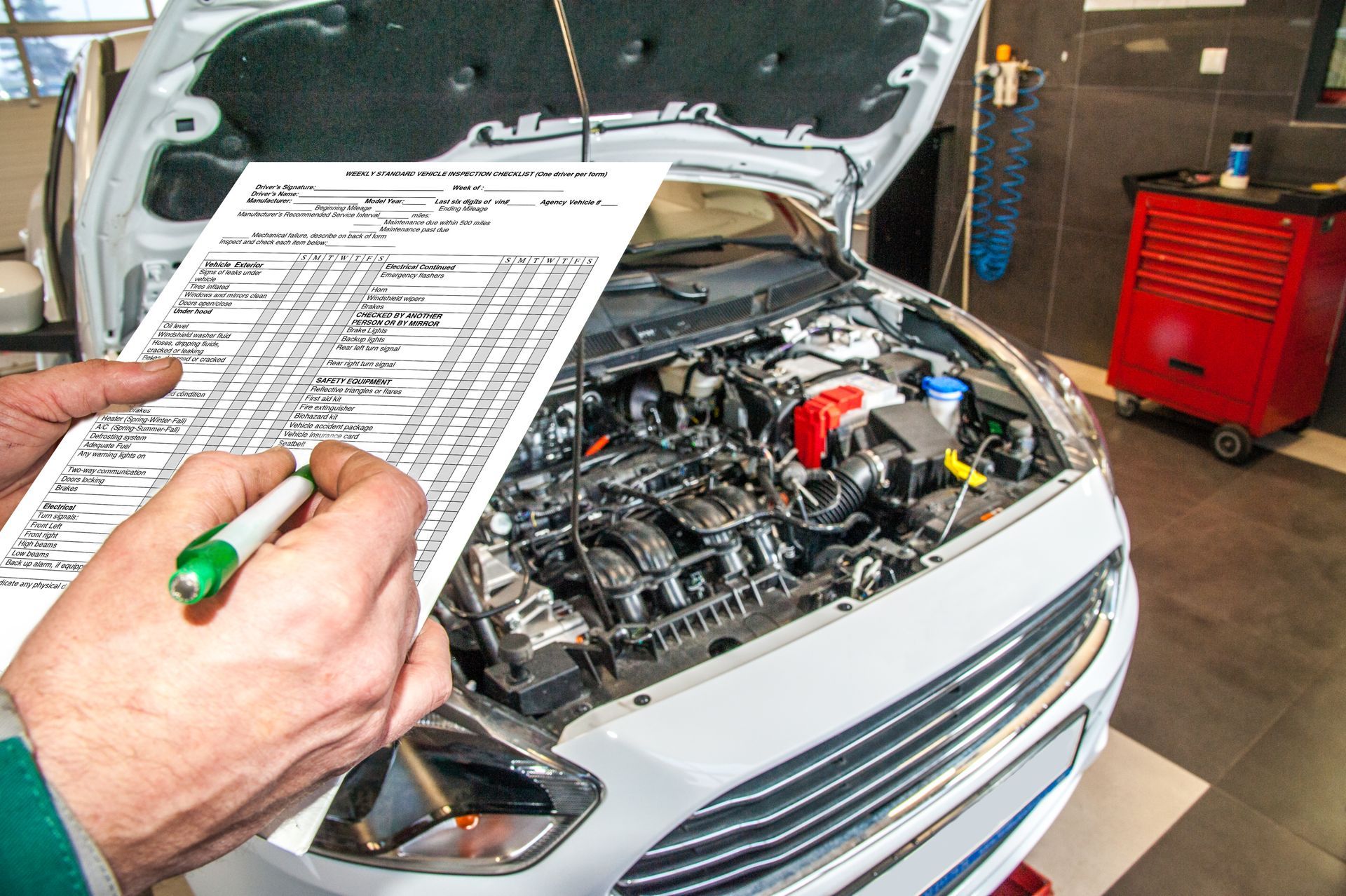
At our shop, that pattern immediately puts fan operation high on the inspection list. We still check coolant level, thermostat operation, radiator condition, and coolant circulation because several cooling problems can behave similarly. You have to test the fan rather than blame it simply because the engine gets hot at a stop.
Your A/C May Stop Blowing Cold at Low Speed
The radiator fan also helps move air through the A/C condenser. Without that airflow, refrigerant pressure can rise, and the air conditioning may lose cooling performance while the vehicle is sitting still.
You might notice cold A/C on the highway but warmer air at stoplights. That can be one of the first signs the fan is not doing its job. If weak A/C at idle appears together with rising engine temperature, the cooling fan and its control system deserve prompt attention.
The Fan Motor Is Only One Possible Failure
A radiator fan that isn't spinning doesn't automatically mean the motor is bad. The circuit can include fuses, relays, temperature sensors, wiring, connectors, resistors, and electronic fan control modules.
A blown fuse can stop the fan, but replacing it without finding out why it failed is not enough. A seized motor or shorted wire can simply blow the new fuse again. We check whether the fan is receiving the proper power, ground, and control command before recommending a part.
Overheating Can Damage the Engine Quickly
Once the cooling system can no longer control temperature, the risk becomes much more serious than a failed fan. Excessive heat can damage head gaskets, warp cylinder heads, weaken seals, and in severe cases damage internal engine parts.
Watch for signs such as:
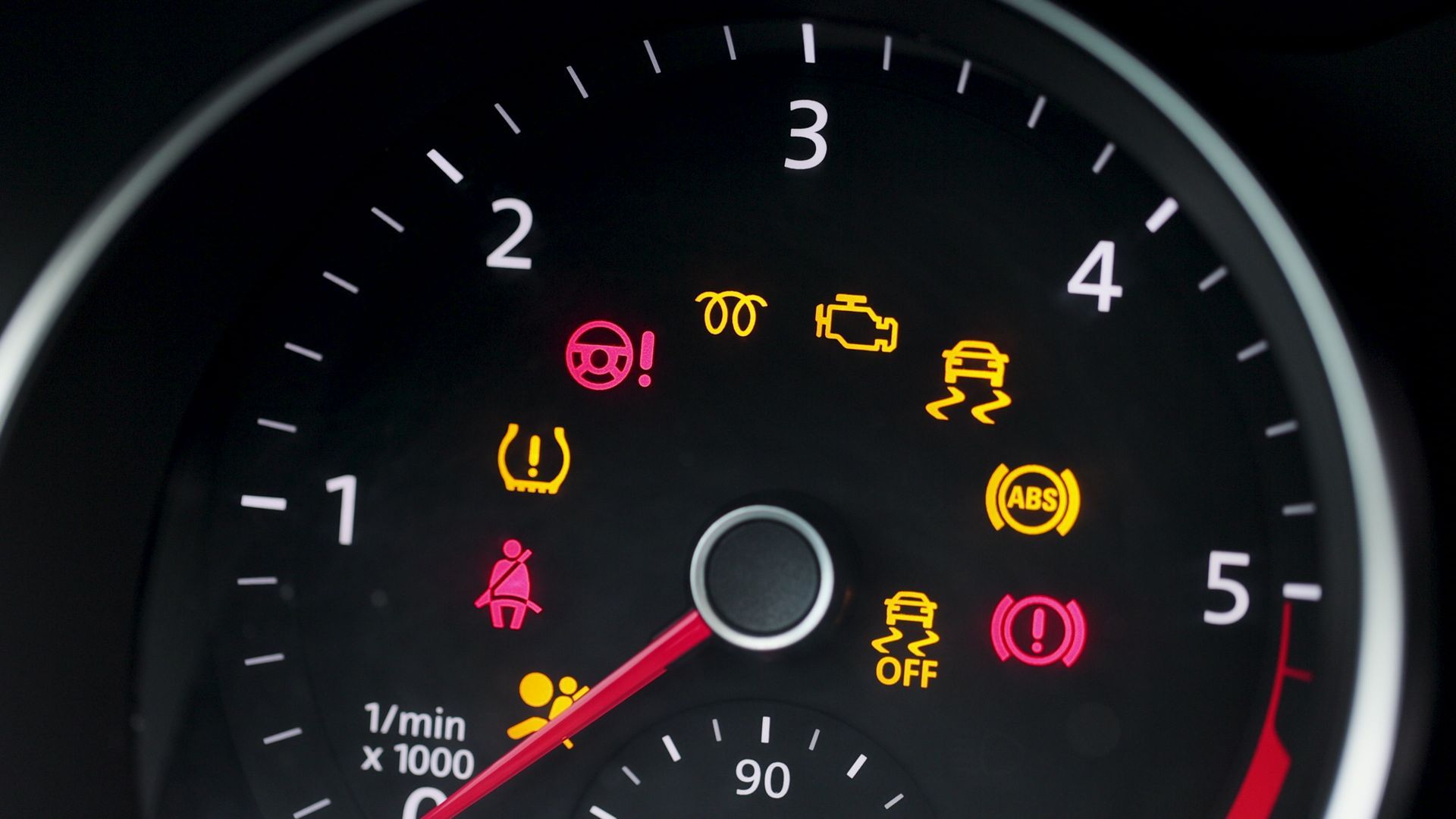
- Temperature gauge moving into the hot range
- Red coolant temperature warning
- Steam coming from under the hood
- Coolant smell
- A/C suddenly becoming warm
- Engine power being reduced
- Cooling-system warning messages
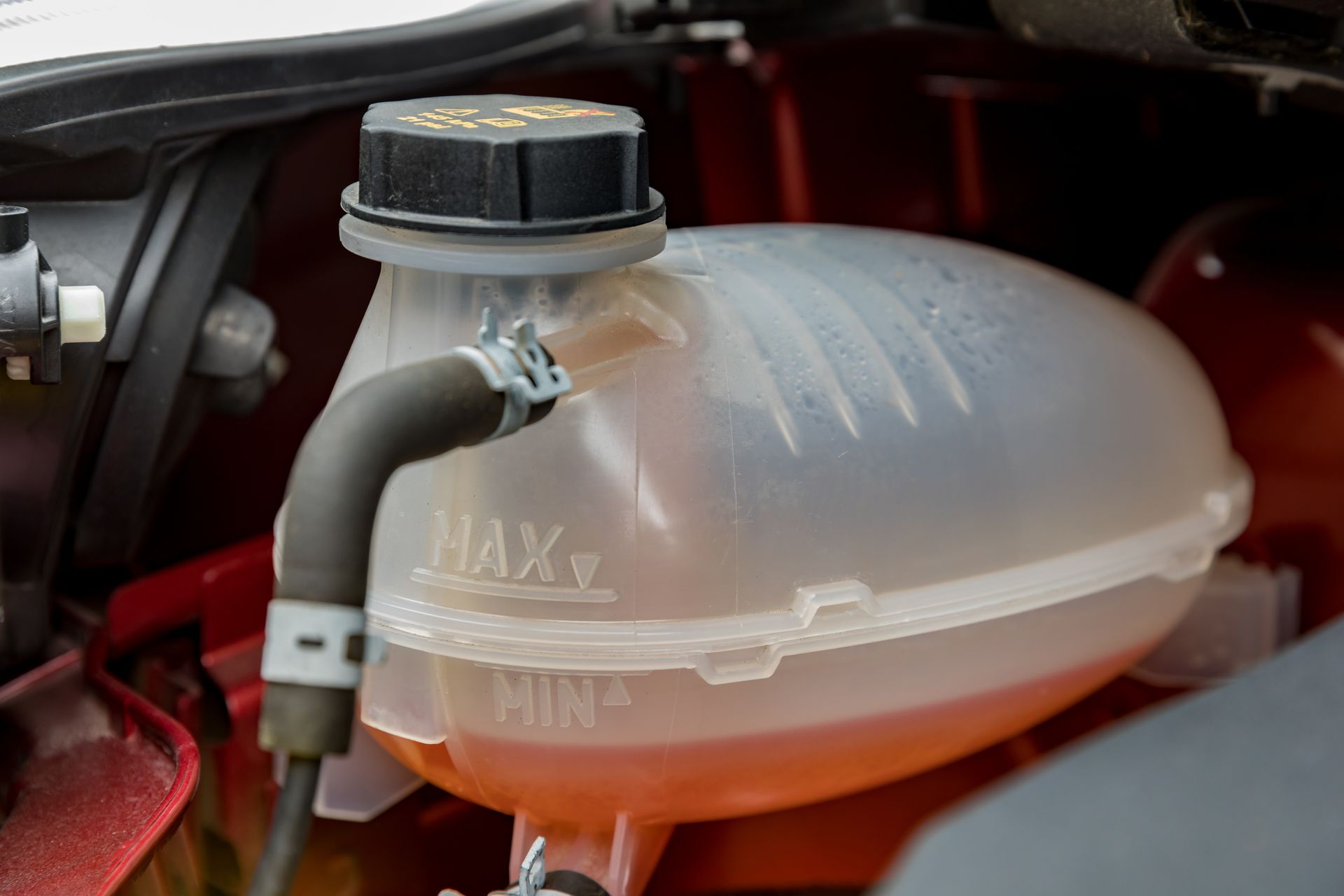
- Coolant boiling or pushing out of the reservoir
If the engine is overheating, continuing to drive is not worth the risk. A cooling fan repair is far less expensive than repairing an engine driven too hot.
Do Not Open the Cooling System While It Is Hot
If the temperature climbs into the danger zone, pull over somewhere safe and shut the engine off. Do not remove the radiator cap or coolant reservoir cap while the system is hot.
The cooling system operates under pressure, and opening it can release extremely hot coolant and steam. Let the engine cool completely before checking the coolant level. If the vehicle has already overheated badly, towing it for diagnosis is the safer choice rather than restarting it repeatedly.
A Fan That Works Sometimes Can Still Be Failing
Cooling fan problems are not always all-or-nothing. A motor with worn internal components can work when cold and stop once it gets hot. A relay or control module can also fail intermittently.
That can cause an engine to overheat only on certain drives. If the problem seems random, we look at fan commands and electrical operation under the same conditions that trigger the temperature rise. Regular maintenance helps catch damaged connectors, weak fan motors, and coolant leaks before an intermittent problem turns into a complete failure.
Get Radiator Fan Service In Cary, NC, With NC Complete Auto Care
If your engine runs hot in traffic, cools down once you start moving, or the A/C stops blowing cold while idling, NC Complete Auto Care in Cary, NC, can test the radiator fan, relays, fuses, wiring, sensors, and cooling-system operation.